The Rise of Female Powerhouses in Pop Music
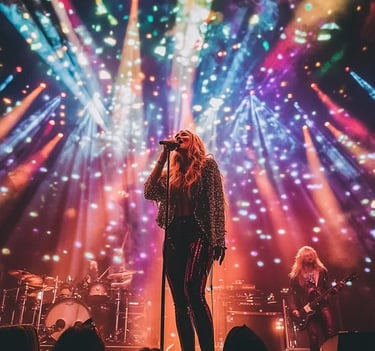
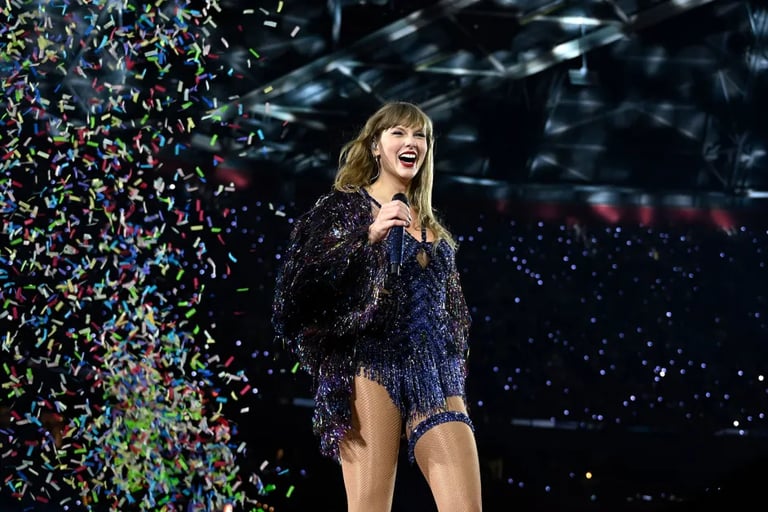
Over the past decade, the music industry has witnessed a defining cultural shift: female artists are no longer just topping charts — they are reshaping the entire landscape of pop music.
ENTERTAINMENT
2/26/20267 min read
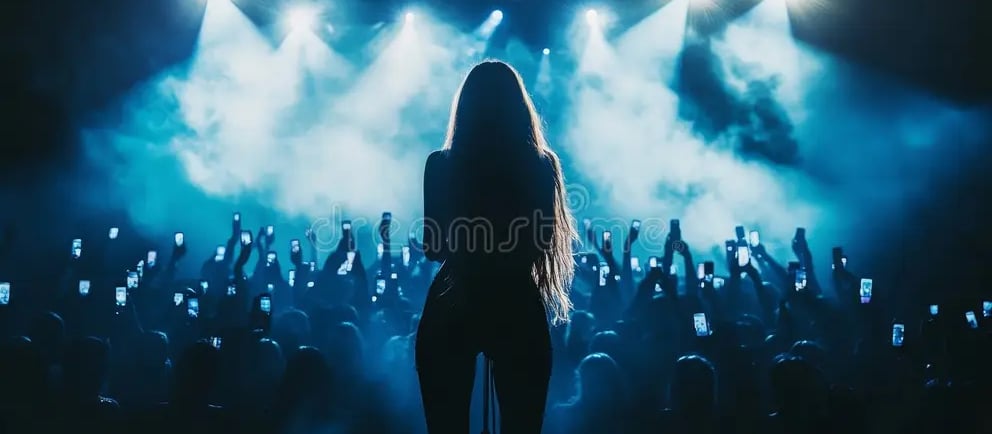
From record-breaking world tours to industry ownership battles and viral dominance, today’s female pop stars are setting new standards for influence, creativity, and commercial success.
The rise of female powerhouses in pop music isn’t just a trend. It’s a movement that reflects broader changes in culture, audience expectations, and the music business itself.
Women Are Dominating the Charts
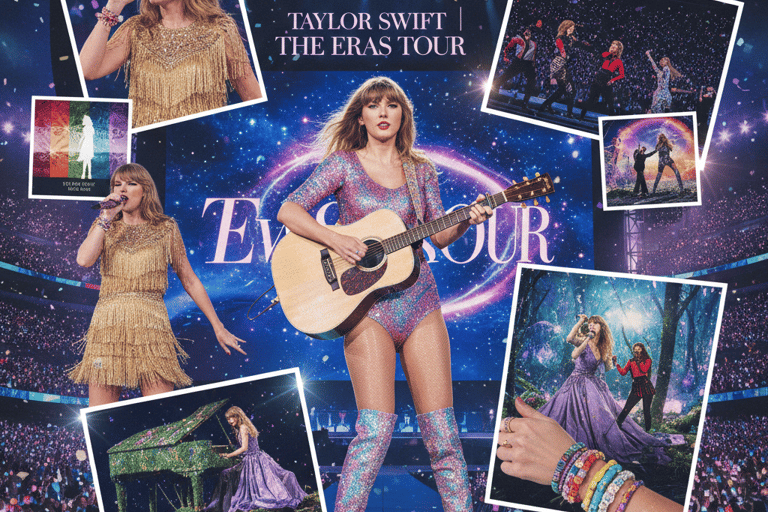
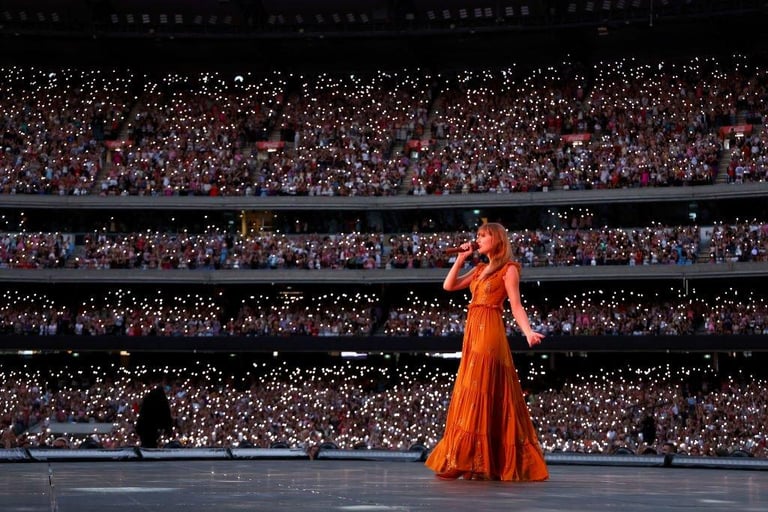
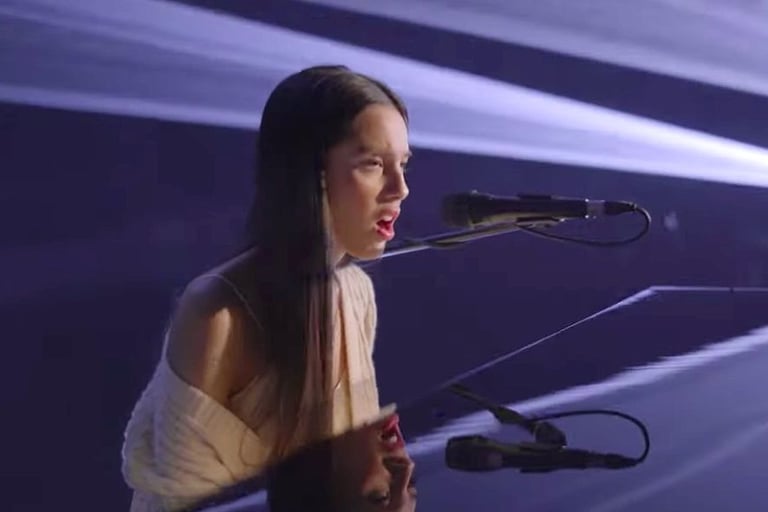
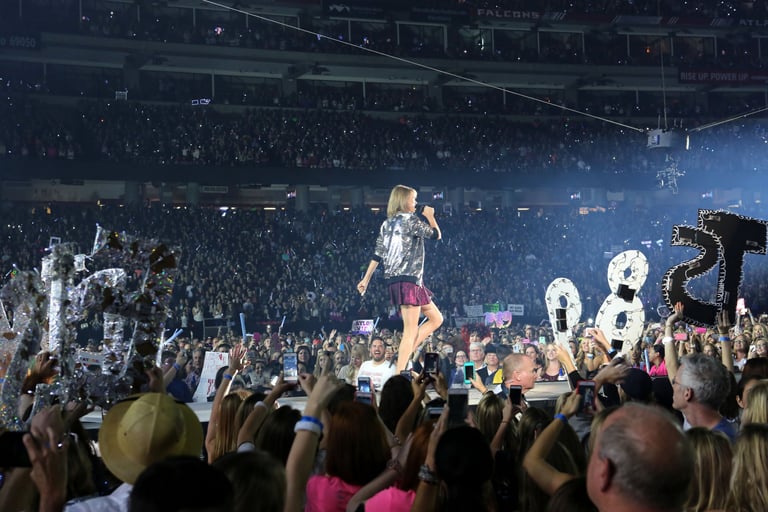
In recent years, female artists have consistently led the Billboard Hot 100, global streaming rankings, and sold-out stadium tours. Artists like Taylor Swift, Beyoncé, Olivia Rodrigo, Dua Lipa, and SZA have not only produced chart-topping hits but also created cultural moments that extend far beyond music.
Whether it’s sold-out tours generating billions in revenue or albums breaking streaming records within hours of release, female pop artists are proving they are the driving force behind today’s music industry trends. Their success reflects a shift in consumer demand — audiences want authenticity, storytelling, and bold artistic vision.
More Than Performers: Business Leaders & Cultural Icons
Today’s female pop stars are entrepreneurs, producers, and brand architects. Many are reclaiming ownership of their work, negotiating stronger contracts, and launching their own labels, beauty lines, and fashion brands.
Taylor Swift’s decision to re-record her albums sparked industry-wide conversations about artist rights and ownership. Beyoncé’s multimedia projects blend music, film, and fashion into immersive cultural experiences. These moves show how female artists in pop music are expanding beyond traditional performance roles and influencing how the industry operates.
They are no longer just part of pop culture — they are shaping it.
The Power of Storytelling and Emotional Authenticity
One major reason behind the success of women in pop music is their emotional transparency. Albums today feel deeply personal, touching on themes like heartbreak, empowerment, mental health, ambition, and identity.
This authenticity resonates strongly with Gen Z and millennial listeners who prioritize vulnerability and relatability. The ability to turn personal stories into global anthems has become a defining strength of modern female pop stars.
A strong example is Olivia Rodrigo, whose breakout hit drivers license became a global phenomenon because of its raw storytelling about heartbreak and vulnerability. The song resonated strongly with young listeners who saw their own emotions reflected in the lyrics.
Listeners aren’t just streaming songs — they’re connecting to narratives.
Social Media and Direct Fan Connection
The streaming and social media era has changed how artists build loyalty. Platforms like TikTok and Instagram allow musicians to interact directly with fans, tease new music, and create viral moments.
Female artists have mastered this space, using digital platforms to amplify their voice and shape trends. From surprise album drops to viral tour clips, the connection between artist and audience feels more immediate than ever before.
This direct engagement has strengthened fan communities and increased the global reach of women dominating the music charts.
Breaking Genre Boundaries
Another reason behind the rise of female powerhouses is genre fluidity. Today’s pop stars are blending R&B, indie, electronic, country, and alternative influences into mainstream music.
Rather than fitting into one category, artists are redefining what pop music sounds like. This flexibility keeps the industry dynamic and reflects evolving listener tastes in the US and worldwide.
Representation and Industry Change
Historically, the music industry has been male-dominated in production rooms and executive spaces. However, the visibility and success of women in pop music are pushing the industry toward greater representation and equity.
More female producers, songwriters, and executives are entering the conversation. As these shifts continue, the next generation of artists will likely find even more opportunities to lead creatively and financially.
The impact goes beyond chart numbers — it’s about structural change.
Why This Era Matters
The rise of female powerhouses in pop music marks one of the most transformative periods in entertainment history. These artists are setting new benchmarks for touring revenue, streaming dominance, creative control, and cultural influence.
More importantly, they are redefining success on their own terms.
As audiences continue to support bold, authentic storytelling, the influence of women in pop music is only expected to grow. From stadium tours to viral hits, female artists are not just participating in the music industry — they are leading it.
And this is only the beginning.
The Rise of Female Powerhouses in Pop Music
Over the past decade, the music industry has witnessed a defining cultural shift: female artists are no longer just topping charts — they are reshaping the entire landscape of pop music. From record-breaking world tours to creative ownership battles and viral streaming dominance, today’s female pop stars are setting new standards for influence, innovation, and commercial success.
The rise of female powerhouses in pop music isn’t just a passing trend. It represents a powerful movement driven by cultural change, evolving audience expectations, and a rapidly transforming music business. Women are not only dominating the charts — they are redefining what success looks like in the modern entertainment industry.
Women Are Dominating the Music Charts
In recent years, female artists have consistently led the Billboard Hot 100, Spotify global rankings, and sold-out stadium tours across the United States and worldwide. Artists like Taylor Swift, Beyoncé, Olivia Rodrigo, Dua Lipa, and SZA are not only producing chart-topping hits but creating defining cultural moments.
From billion-dollar global tours to albums that break streaming records within hours, female pop artists are proving they are the driving force behind today’s music industry trends. Their dominance reflects a shift in consumer demand — listeners now crave authenticity, storytelling, and bold artistic vision.
The data is clear: women dominating the music charts is no longer the exception — it’s the norm.
More Than Performers: Business Leaders and Cultural Architects
Modern female pop stars are far more than performers. They are entrepreneurs, executive producers, and brand builders who are reshaping the business side of music.
Taylor Swift’s decision to re-record her albums sparked global conversations about artist rights and ownership. Beyoncé has redefined the concert experience through multimedia storytelling that blends music, film, and fashion into immersive cultural events.
These artists are negotiating stronger contracts, launching beauty and fashion ventures, and building business empires beyond music. The modern female pop powerhouse understands that creative control and financial ownership go hand in hand.
They are not simply part of pop culture — they are actively shaping it
The Power of Emotional Authenticity in Pop Music
One of the defining reasons behind the rise of women in pop music is emotional transparency. Today’s most successful albums feel deeply personal, exploring themes like heartbreak, ambition, mental health, empowerment, and identity.
Artists such as Olivia Rodrigo and Billie Eilish have built massive fan bases by transforming vulnerability into relatable anthems. Their storytelling resonates strongly with Gen Z and millennial audiences who prioritize authenticity.
The ability to turn personal experiences into global hits has become one of the greatest strengths of modern female pop stars. Fans are not just streaming songs — they are emotionally investing in narratives.
Breaking Genre Boundaries and Redefining Pop
The new era of pop music is defined by genre fluidity. Rather than staying confined to traditional pop structures, female artists are blending R&B, electronic, indie, alternative, and even country influences into mainstream hits.
SZA fuses R&B with alternative production, while Beyoncé has experimented with house, dance, and country-inspired sounds. This creative freedom keeps pop music evolving and reflects changing listener tastes across the US and globally.
By refusing to be boxed into one category, female powerhouses are expanding the definition of pop music itself.
Representation and Structural Change in the Music Industry
For decades, the music industry has been largely male-dominated, particularly in executive offices and production studios. However, the visibility and commercial success of women in pop music are pushing the industry toward greater representation and equity.
More female producers, songwriters, and executives are stepping into leadership roles. As this shift continues, the next generation of female artists will likely enter a more inclusive and supportive industry landscape.
The impact of female powerhouses extends beyond chart performance — it represents long-term structural change.
Why the Rise of Female Powerhouses Matters
The rise of female powerhouses in pop music marks one of the most transformative periods in modern entertainment. These artists are setting new records in touring revenue, streaming dominance, creative control, and cultural influence.
More importantly, they are redefining success on their own terms — prioritizing ownership, authenticity, and artistic independence.
As audiences continue to support bold storytelling and genre innovation, the influence of women in pop music will only continue to expand. From viral hits to sold-out stadium tours, female artists are not just participating in the music industry — they are leading it.
And this era of female dominance in pop music is only just beginning.