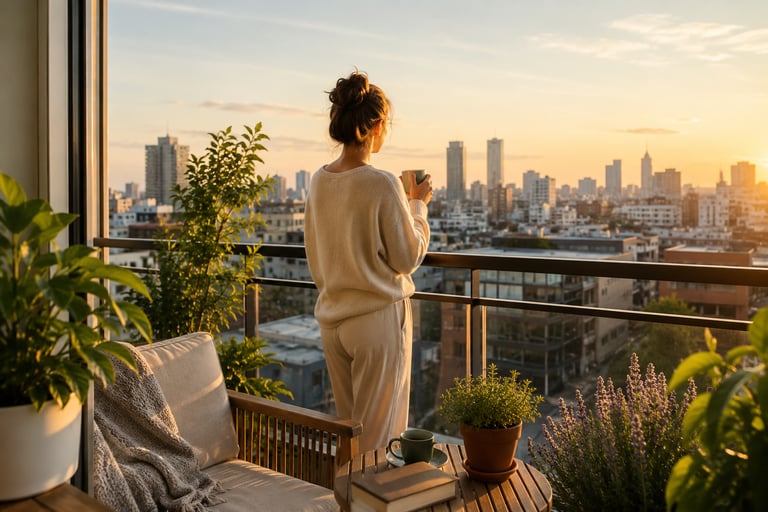
The Rise of Slow Living in the US: Choosing Balance Over Hustle
In a culture long defined by constant productivity and ambition, a quiet shift is taking place across the United States.
LIFESTYLE
5/11/20265 min read
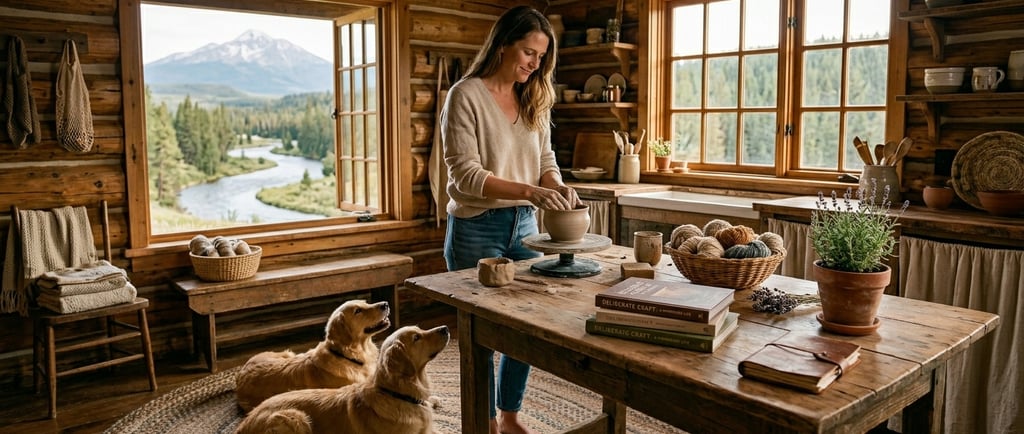
More people are moving away from hustle culture and embracing a slower, more intentional way of living.
Slow living in the US is not about doing less — it’s about doing things with more purpose, presence, and balance. From mindful routines to prioritizing well-being, Americans are redefining what success truly means.
What Is Slow Living in the US?
Slow living in the US is a lifestyle focused on intentional choices, work-life balance, and overall well-being instead of constant productivity.
It encourages:
Quality over quantity – choosing meaningful experiences instead of rushing through tasks
Meaningful work – focusing on purpose and satisfaction rather than just output
Strong relationships – investing time in family, friends, and real connections
Time for rest and self-care – allowing space to recharge without guilt
This approach is gaining momentum as people seek a healthier, more fulfilling way to live.
Why Slow Living in the US Is Gaining Popularity
1. Burnout from Hustle Culture
For years, success has been linked to working longer and harder. However, this has led to widespread burnout and fatigue. According to the American Psychological Association, stress levels among Americans continue to rise due to work pressure and lifestyle demands.
2. Growing Focus on Mental Health
Mental health awareness is becoming a priority in the US, especially among younger generations. Slow living supports emotional well-being by encouraging rest, reflection, and mindful habits that reduce anxiety and stress.
3. The Impact of Remote Work
With the rise of remote and hybrid work, people now have more control over their schedules and daily routines. This flexibility has made it easier to create a balanced lifestyle with time for both work and personal life.
4. Changing Definition of Success
Success is no longer just about income or job titles. Today, many Americans value personal happiness, time freedom, and meaningful experiences over constant achievement and material growth.
Key Elements of a Slow Living Lifestyle
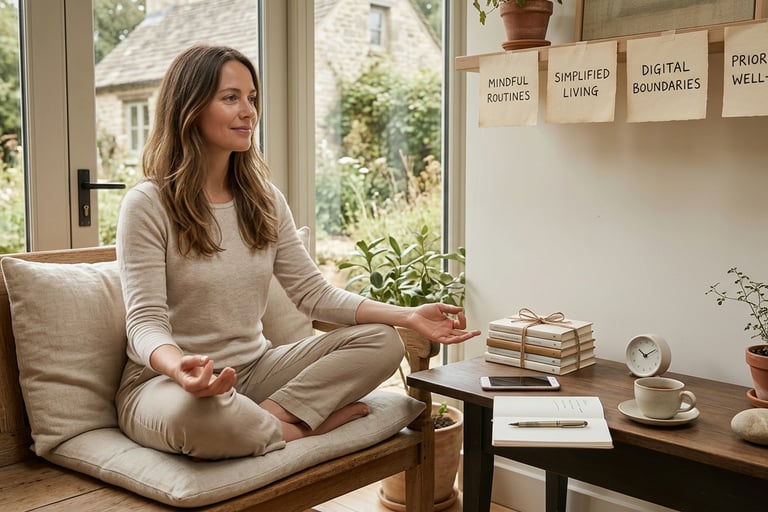
Mindful Routines
Starting the day calmly, enjoying meals without distractions, and being fully present in everyday moments help create a sense of peace and control.
Simplified Living
Decluttering homes and focusing only on essentials reduces mental stress and creates a more organized, calming environment.
Digital Boundaries
Reducing time spent on platforms like Instagram and TikTok helps avoid constant distraction and improves focus.
Prioritizing Well-Being
Making time for rest, hobbies, family, and self-care improves overall happiness and prevents long-term burnout.
Slow Living vs Hustle Culture
1. Constant Busyness vs Intentional Pace
Hustle Culture: Being constantly busy is often worn like a badge of honor, where packed schedules are linked with success.
Slow Living: The focus is on slowing down intentionally, creating space in the day to think, breathe, and be fully present.
2. Productivity vs Purpose
Hustle Culture: Success is measured by how much you can produce, complete, or achieve in the shortest time.
Slow Living: Work and daily activities are guided by purpose, meaning, and long-term satisfaction rather than speed.
3. Work-First vs Life-First
Hustle Culture: Work dominates daily life, often leaving little time for health, family, or personal needs.
Slow Living: Life outside of work is equally important, with conscious effort to protect time for relationships and self-care.
4. Burnout vs Balance
Hustle Culture: Continuous pressure to perform can lead to stress, exhaustion, and emotional burnout over time.
Slow Living: Balance is prioritized by allowing rest, recovery, and slower rhythms to maintain long-term well-being.
5. External Success vs Inner Fulfilment
Hustle Culture: Success is defined by visible achievements like salary, job title, and social recognition.
Slow Living: Fulfilment comes from inner peace, emotional well-being, and a sense of alignment with personal values.
How Americans Are Practicing Slow Living
Across the US, people are adopting simple but powerful habits:
Taking regular breaks during work to maintain energy and focus
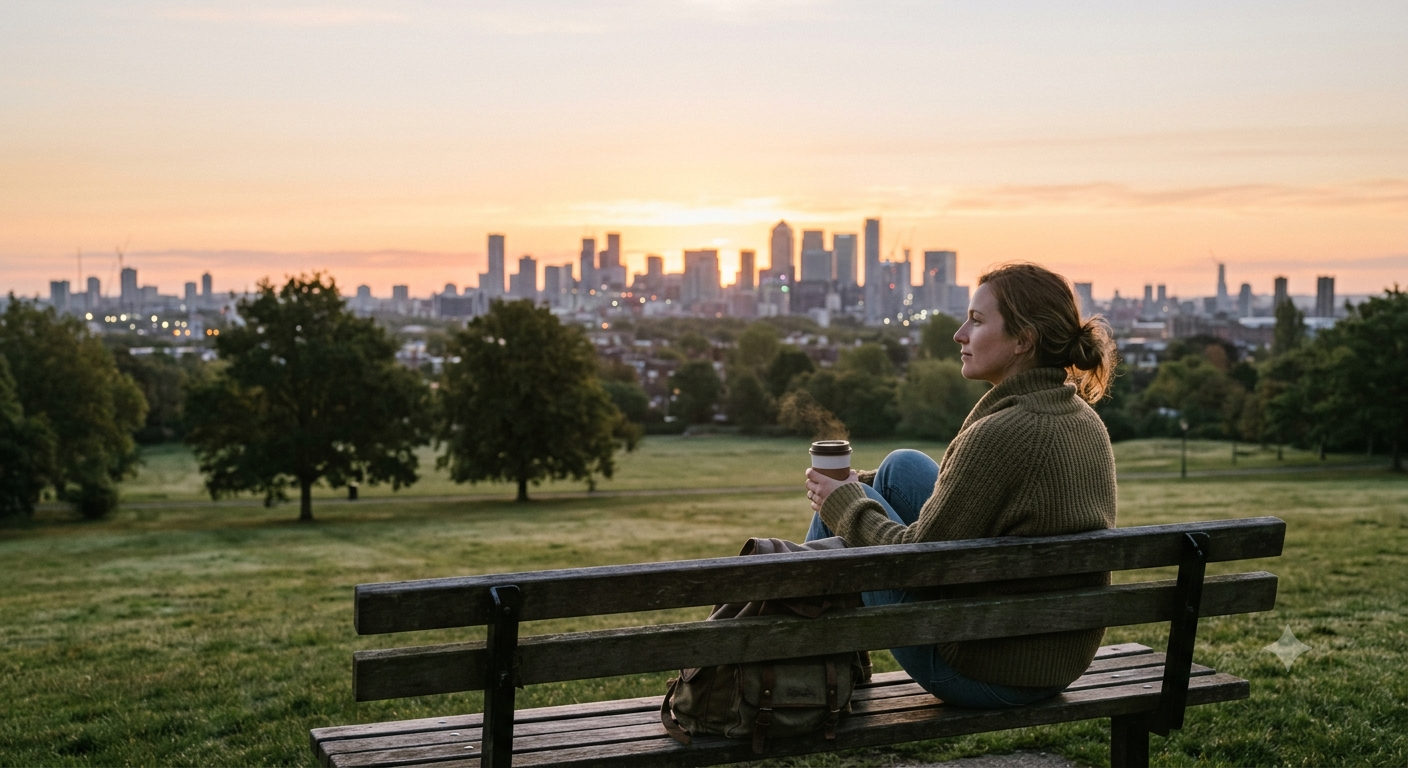
Spending more time outdoors to reconnect with nature
Cooking meals at home instead of relying on fast-paced eating habits
Setting clear boundaries between work and personal life
Reducing unnecessary commitments to avoid feeling overwhelmed
These small shifts are helping people feel more in control and less stressed.
Why Slow Living Matters Today
In today's always-connected world, it's easy to feel pressured to stay busy, meet deadlines, and constantly chase the next goal. Slow living offers a healthier alternative by encouraging people to focus on what truly matters instead of rushing through life. It isn't about doing less—it's about living more intentionally.
Reduce stress by stepping away from the pressure of constant busyness.
Improve focus by giving full attention to one task at a time.
Strengthen relationships through quality time and meaningful connections.
Support overall well-being by prioritizing rest, self-care, and healthy routines.
Find greater fulfilment by appreciating everyday moments instead of always looking ahead.
Rather than measuring success by how busy they are, more people are choosing to live with intention—finding joy in the present moment, making mindful choices, and creating a life that feels balanced, meaningful, and fulfilling.
The Future of Slow Living in the US
Slow living is evolving from a wellness trend into a lasting lifestyle shift. As more Americans rethink the pace of modern life, there's a growing focus on creating routines that support both personal well-being and long-term fulfillment.
This shift is likely to bring:
More flexible ways of working that encourage a healthier work-life balance.
Greater emphasis on mental well-being, with rest and stress management becoming everyday priorities.
Sustainable daily habits that are realistic, intentional, and easy to maintain.
A renewed focus on quality over quantity, where meaningful experiences matter more than constant achievement.
The focus is shifting from doing more to living better, with balance, purpose, and meaningful experiences taking center stage.
The growing embrace of slow living reflects a simple but powerful idea: life doesn't have to be lived at full speed to be meaningful.
By slowing down with intention, people can make space for better health, stronger relationships, and greater peace of mind. It's not about achieving less—it's about living with greater purpose and making room for what truly matters.
Slow living isn't about slowing life down. It's about living it with intention.